
Get involved
The Whaka-Ora Healthy Harbour partnership programme supports the harbour community to restore the ecological and cultural health of Whakaraupō Lyttelton Harbour.
Learn more about the Community Advisory Group (CAG) and why community and partnership are key to restoring Whakaraupō Lyttelton Harbour
Community organisations involved
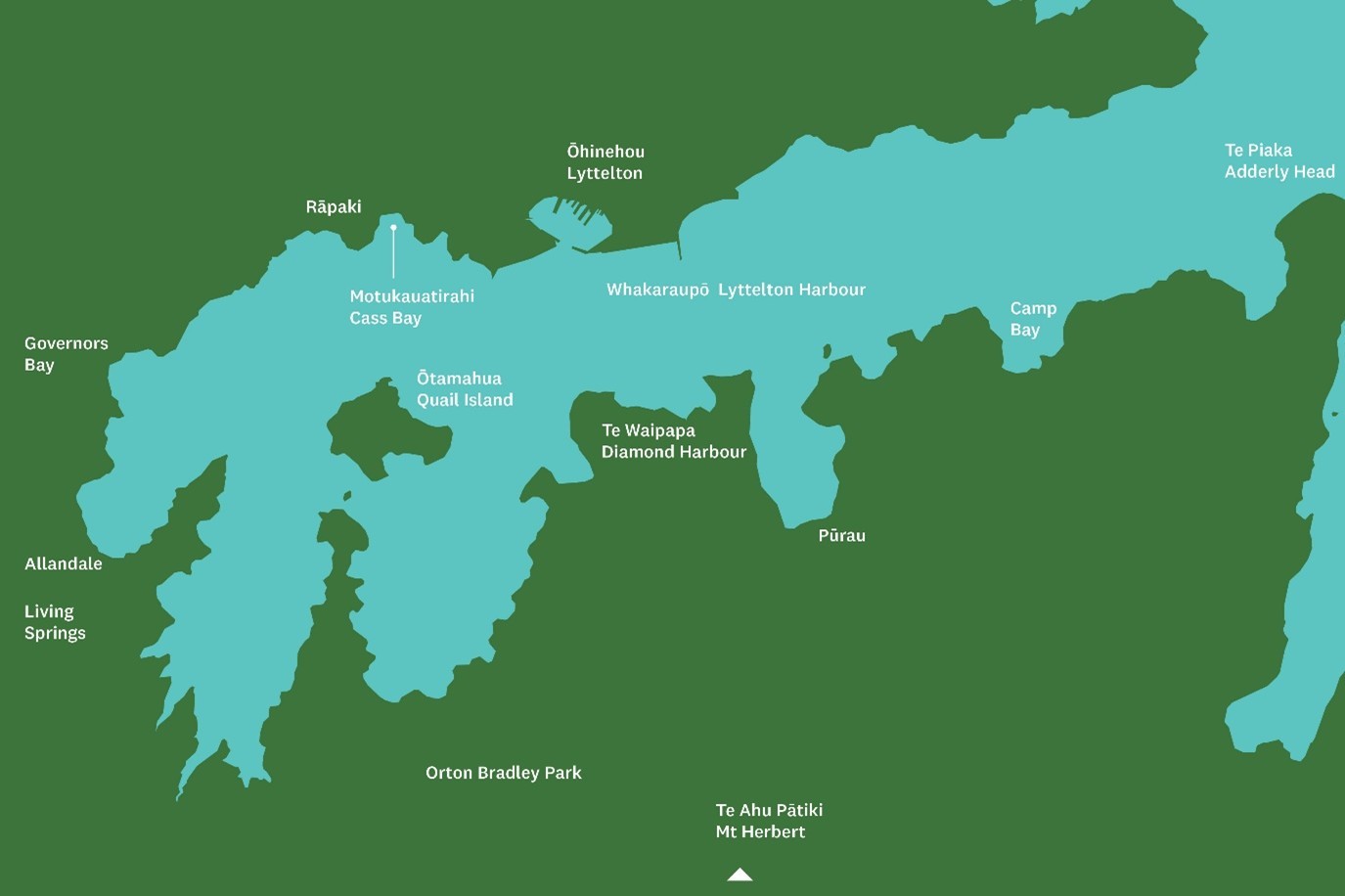
The following community organisations are involved in Whakaraupō Lyttelton Harbour restoration work in collaboration with Whaka-Ora Healthy Harbour.
Many of these groups have been referenced in our news stories. Please get in touch with these organisations if you are interested in volunteering or contributing.
Who is leading the restoration
The Ōtamahua Quail Island Ecological Restoration Trust has been working to restore the native ecology of Ōtamahua since 1998.
What has been achieved so far
- All pest species have been successfully eradicated from the island, except for mice
- Thousands of trees have also been planted
Partnerships supporting the work
- Te Papa Atawhai Department of Conservation (DOC)
- Te Hapū o Ngāti Wheke.
Community and volunteer contribution
Volunteer groups contribute more than 5,600 hours every year, supporting:
- weed contol
- native planting
- monitoring traps.
Why this work matters
As plantings grow, the island is being transformed. Native bird song can be heard by visitors walking the tracks due to an increase of nesting sites and food sources.
 Contact the Ōtamahua Quail Island Ecological Restoration Trust
Who is leading the restoration?
The Hidden Valley Conservation Trust has played a major role in restoring the Pūrau catchment.
What area is being restored?
Restoration work is underway across a 2,066-hectare catchment, with significant progress made in recent years.
What restoration actions are underway?
- Purchase of 107 hectares of farmland for long-term protection
- Establishment of a covenant over Mt Evans–Pūrau Reserve with the QEII National Trust
- Ongoing collaboration with adjacent landowners to enhance native biodiversity
- Natural regeneration through seed spread from original native bush
- Large-scale native planting and seed collection
- Pest weed and animal control to protect young trees
What outcomes are being seen?
As a result of this restoration work:
- Kererū are returning to the area
- Geckos are thriving in newly established undergrowth
- Native habitats are becoming more resilient and connected
Cultural and historical significance
Pūrau holds historical, spiritual, and cultural significance to Māori and was also the site of the first European farm in Canterbury, adding important heritage value to the restoration effort.
Contact the Hidden Valley Conservation Trust
Who is leading the restoration?
The Diamond Harbour Reserves Committee, made up of committed local volunteers, leads restoration work across Te Waipapa / Diamond Harbour.
What restoration work is happening?
Ongoing restoration activities include:
- Planting native trees to stabilise gullies
- Clearing and maintaining walking tracks
- Removing pest weeds and animals to protect native ecosystems
Community collaboration
The Committee regularly works alongside:
- Pūrau residents on local planting projects
- The wider community during seasonal restoration events
Youth and school involvement
Environmental education and hands-on restoration are key parts of the programme.
Diamond Harbour School pupils take part in Envirodays, helping with:
- Tree planting
- Water testing
- Beach clean-ups
- Predator trapping
Children from Kidsfirst Diamond Harbour also help plant trees along the school track
Why this work matters
Community-led restoration at Te Waipapa / Diamond Harbour:
- Strengthens native habitats
- Protects land and waterways
- Builds long-term environmental stewardship across generations
Contact the Diamond Harbour Reserves Committee or the Diamond Harbour Reserve Volunteers
Who is leading the restoration?
The Cass Bay Reserves Committee leads community-driven restoration across Motukauatirahi / Cass Bay.
What restoration work is underway?
Key restoration activities include:
- Planting 12,000 native trees at Steadfast Reserve, above Cass Bay
- Ongoing development of the reserve and new walking tracks
- More than 2,000 volunteer hours contributed in 2024 alone
Catchment and riparian restoration
Since 2020, the Committee has:
- Planted 12,000 eco-sourced native trees across local reserves
- Delivered riparian planting through the Whaka‑Ora programme
- Reduced sedimentation and supported biodiversity recovery in Whakaraupō
Regenerative projects and pest control
Additional work includes:
- A regenerative restoration project at Pony Point, replacing exotic trees and weed species with natives
- Community pest trapping alongside Whaka‑Ora Pest Project volunteers
- Development of new walking tracks with local community support
Why this work matters
Restoration at Motukauatirahi / Cass Bay:
- Improves water quality and reduces sediment entering Whakaraupō
- Restores native plant and animal diversity
- Strengthens community stewardship and long-term resilience of coastal ecosystems
Contact the Cass Bay Committee cassbayresidents@gmail.com or the Whaka-Ora Pest Project (WOPP)
Who is leading the restoration?
Predator control and habitat restoration at Ōhinehou / Lyttelton is led by the Whaka-Ora Pest Project (WOPP), which was established by Conservation Volunteers New Zealand (CVNZ).
Predator control across Whakaraupō
The Whaka-Ora Pest Project is dedicated to making Whakaraupō predator free.
- Volunteers check traplines weekly, using humane and safe methods
- Hundreds of introduced predators are removed every month
- Ongoing pest control supports native wildlife recovery across the harbour
Habitat restoration and native species return
CVNZ has a long history of restoring indigenous habitats around the harbour, including:
- Replanting native vegetation
- Supporting long-term ecosystem recovery
- Working toward the return of native species such as tūī and kākāriki kāraka
Volunteers can take part even for a single day, making the programme accessible to the wider community.
Lyttelton Port Saddle restoration partnership
In a separate but complementary project, Lyttelton Port Company (LPC) is working with the Banks Peninsula Conservation Trust to restore indigenous flora and fauna at the Lyttelton Port Saddle.
- The project covers 17 hectares of LPC-owned land
- Since 2017, 4,690 native trees have been planted
Restoration has been supported by volunteers and Enviroschools students from:
- Lyttelton Primary School
- Diamond Harbour School
- Heathcote School
- Governor’s Bay School
Why this work matters
Restoration in Ōhinehou / Lyttelton:
- Reduces predator pressure across Whakaraupō
- Supports the recovery of native bird species
- Combines pest control, planting, and education for long-term impact
- Strengthens partnerships between community, conservation groups, and industry
Get involved
What is Orton Bradley Park?
Orton Bradley Park is a popular picnic, day-trip, outdoor recreation, and education destination for Christchurch locals.
Recreational access and facilities
As part of an ongoing commitment to public access:
- 25 kilometres of walking tracks have been developed
- Tracks support walking, outdoor learning, and family recreation
Ecological restoration and biodiversity work
Staff and volunteers are actively restoring native ecosystems across the park:
- 33,000 native plants planted over the past four years
- More than 8,000 pest animals removed to protect native species
- 3 kilometres of stream margins fenced to improve freshwater and habitat health
Environmental outcomes and wider impact
As a result of sustained restoration:
- The park now supports a healthy, self-sustaining bird population
- Native birds are nesting and spreading seeds into other eco-sanctuary sites around Whakaraupō, strengthening biodiversity across the harbour
Why this work matters
Restoration at Orton Bradley Park:
- Balances recreation, education, and conservation
- Improves habitat connectivity across Banks Peninsula
- Contributes to long-term native biodiversity recovery at a harbour-wide scale
Contact Orton Bradley Park-Contact
What is Te Ahu Pātiki?
Te Ahu Pātiki is a public conservation estate located in the heart of Whakaraupō. It includes the Te Ahu Pātiki Mt Herbert and Mt Bradley summits, the two highest peaks in Ōtautahi, and forms an important natural landmark within the harbour catchment.
How is the land protected?
The whenua is permanently protected by a QEII National Trust Covenant, ensuring long-term protection of land, ecosystems, and natural values.
Who is the kaitiaki (guardian)?
The Te Ahu Pātiki Charitable Trust is the tiaki (guardian) of Te Ahu Pātiki.
What is the Trust’s role and purpose?
The Trust cares for 500 hectares of land and works in partnership with the wider community to:
- Protect and steward the whenua
- Restore native biodiversity
- Enable public access to walking tracks
- Support and uphold mana whenua values in the area
Why this work matters
Te Ahu Pātiki:
- Safeguards the highest peaks of Ōtautahi for future generations
- Strengthens biodiversity and landscape connectivity across Whakaraupō
- Balances conservation, public access, and cultural values
What is Living Springs?
Living Springs is a 400-hectare property located on the hills above Whakaraupō. The site contains one of the five main waterways that flow into the harbour, making it a critical area for freshwater and ecological health.
Waterway and land restoration
Over the past decade, the Living Springs organisation has:
- Restored waterways flowing into Whakaraupō
- Protected land from invasive pests
- Planted more than 75,000 native trees
- Delivered pest control across 1,130 hectares through the Predator Free Allandale initiative
Eco-sanctuary vision
Living Springs is working towards becoming an eco-sanctuary for Christchurch, supporting the return of taonga species that once lived on these shores.
This long-term vision:
- Strengthens habitat for endangered wildlife
- Protects freshwater and terrestrial ecosystems
- Supports regional biodiversity recovery across Whakaraupō
Education and visitor experience
Each year, around 12,000 people visit Living Springs, including many children attending school camps.
The eco-sanctuary vision provides opportunities to:
- Educate tamariki and visitors about biodiversity
- Build understanding of endangered species protection
- Foster long-term environmental stewardship
Volunteers and community involvement
Volunteers are at the heart of Living Springs, contributing to:
- Pest control
- Native planting and weed management
- Ecological monitoring
- Track building
There is a place for everyone to get involved, from one-off volunteering to long-term participation.
Who is the Summit Road Society?
The Summit Road Society has worked to protect the Port Hills environment and biodiversity since 1948, including hillside land overlooking Whakaraupō.
Land protection and Ōhinetahi Reserve
The Society owns Ōhinetahi Reserve, a large property above Governors Bay and Allandale.
- The reserve is permanently protected under a QEII National Trust covenant
- Long-term protection ensures the land’s ecological and landscape values are safeguarded for future generations
Ecological restoration and recreation
The Summit Road Society actively supports regeneration of Ōhinetahi bush through:
- Regular native planting
- Ongoing weeding and pest control
- Enhancement of recreational opportunities within the reserve
This work supports both biodiversity recovery and public enjoyment of the Port Hills.
Predator Free Port Hills programme
The Society also operates Predator Free Port Hills, a community backyard trapping initiative that:
- Supports local residents to reduce pest numbers
- Targets possums, rats, and mustelids
- Strengthens harbour- and hills-wide biodiversity outcomes
An interactive 3D Flyover of Traps of traps helps visualise community effort across the Port Hills.
Why this work matters
Summit Road Society projects:
- Protect ecologically significant Port Hills landscapes
- Reduce predator pressure across Whakaraupō catchments
- Combine land protection, restoration, and community action
- Support long-term native biodiversity recovery
Contact the Summit Road Society